
Back to Blog
Common Landscape Problems Homeowners Face After Winter
February 27, 2026
How Winter Weather Impacts Your Lawn and Landscape
Winter can leave behind more than just melting snow. As temperatures rise and spring approaches, many homeowners begin to notice unexpected issues throughout their property. From stressed lawns to shifting hardscapes, the effects of cold weather and freeze–thaw cycles can take a toll on your landscape.
At Ambrosio Landscape Solutions, we help homeowners throughout Fairfield and Westchester counties identify and address winter-related landscape damage before small problems become costly repairs. Here are the most common landscape issues to look for after winter:
1. Lawn Damage and Bare Patches
Snow mold, compacted soil, and heavy foot traffic on frozen turf can weaken grass during the winter months. As snow melts, you may notice:
- Thin or patchy grass
- Discolored areas
- Matted turf
- Slow spring growth
Early lawn care treatments, aeration, and overseeding can help restore your lawn’s health.
2. Freeze–Thaw Damage to Hardscapes
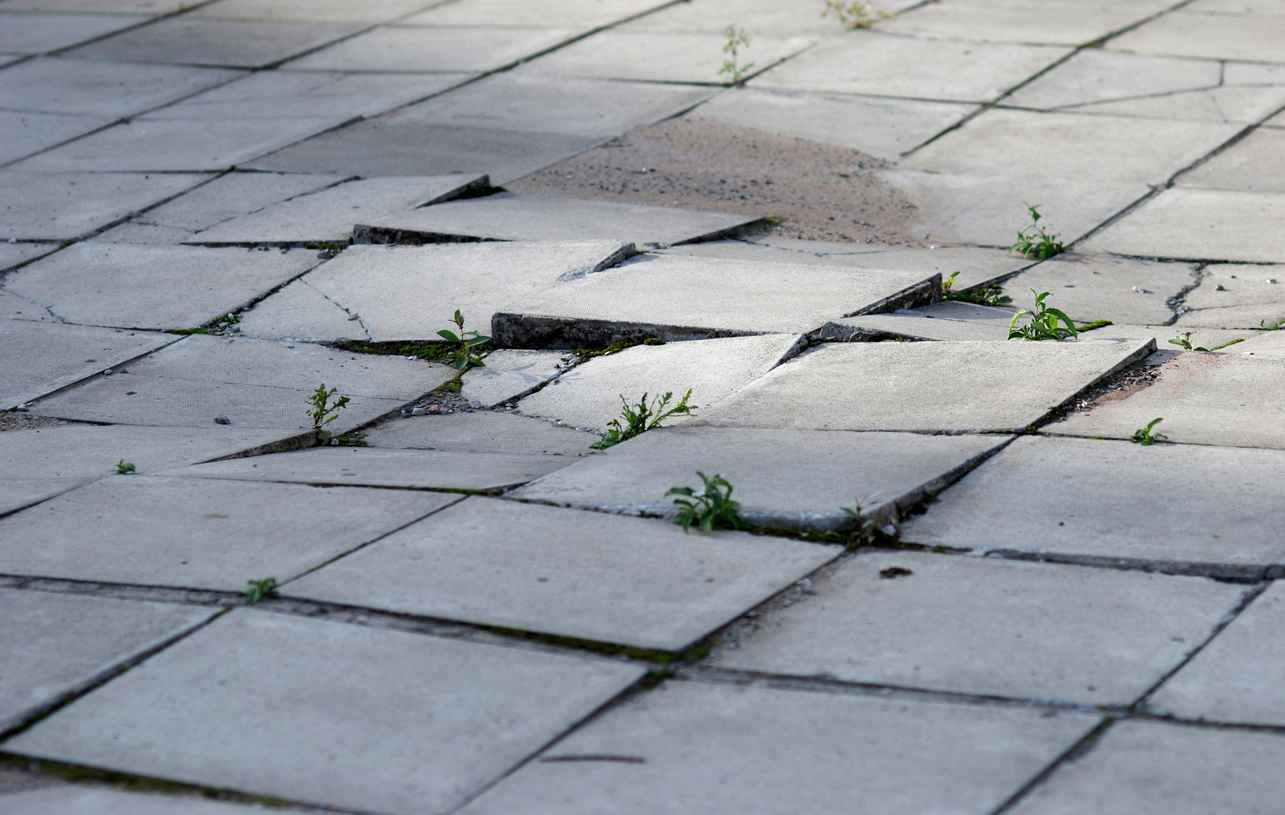
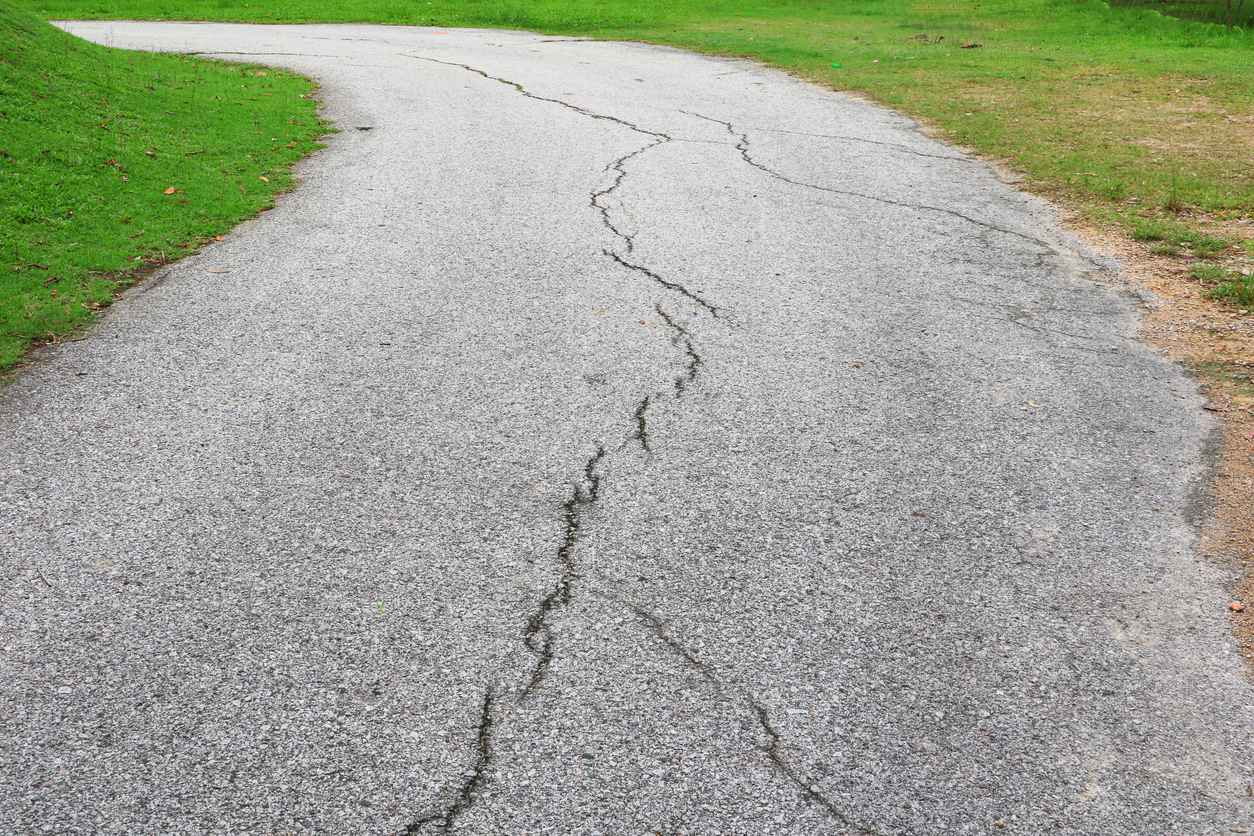
One of winter’s biggest threats is the freeze–thaw cycle. Water seeps into small cracks in patios, walkways, and driveways, freezes, expands, and then thaws. Over time, this process can cause:
- Cracks in concrete or stone
- Uneven pavers
- Loose joints
- Surface flaking or deterioration
Inspecting hardscape surfaces early in the season allows for timely repairs before further damage occurs.
3. Drainage Issues and Soil Erosion
Melting snow and ice create excess water that must drain properly. Poor drainage can lead to:
- Pooling water near foundations
- Washed-out garden beds
- Eroded soil around plantings
- Saturated lawns
Addressing grading and drainage concerns in early spring helps protect both your landscape and your home.
4. Plant and Shrub Damage
Heavy snow and ice accumulation can weigh down branches, causing breakage or structural damage to trees and shrubs. Additionally, fluctuating winter temperatures can stress root systems and delay growth.
Look for:
- Broken or split branches
- Browning foliage
- Leaning shrubs
- Plants pushed out of the soil
Pruning and corrective care can help restore plant structure and encourage healthy regrowth.
5. Salt and De-Icer Damage
While de-icing products improve safety, they can negatively affect surrounding turf and plant beds. Salt exposure may cause:
- Burned grass edges
- Wilting or browning plants
- Soil imbalances
Proper spring flushing and soil treatment can help minimize long-term effects.
6. Compacted Soil
Repeated freezing and thawing, combined with snow accumulation, can compact soil. Compacted soil restricts airflow and root development, impacting overall plant health.
Aeration is often recommended to restore soil structure and promote strong root growth.
Prepare Your Landscape for a Strong Spring With Ambrosio Landscape Solutions
Winter may be unavoidable, but lasting damage doesn’t have to be. With proper evaluation, maintenance, and repairs, your landscape can recover quickly and thrive throughout the year.
At Ambrosio Landscape Solutions, we provide comprehensive design, construction, and year-round property maintenance services to keep your property looking its best year-round.
Contact Ambrosio Landscape Solutions today to schedule a spring landscape assessment and get your property ready for the months ahead.
Recent News
How a Professionally Designed Landscape Adds Long-Term Value
August 31, 2026
How Hardscaping Can Reduce Landscape Maintenance
August 26, 2026
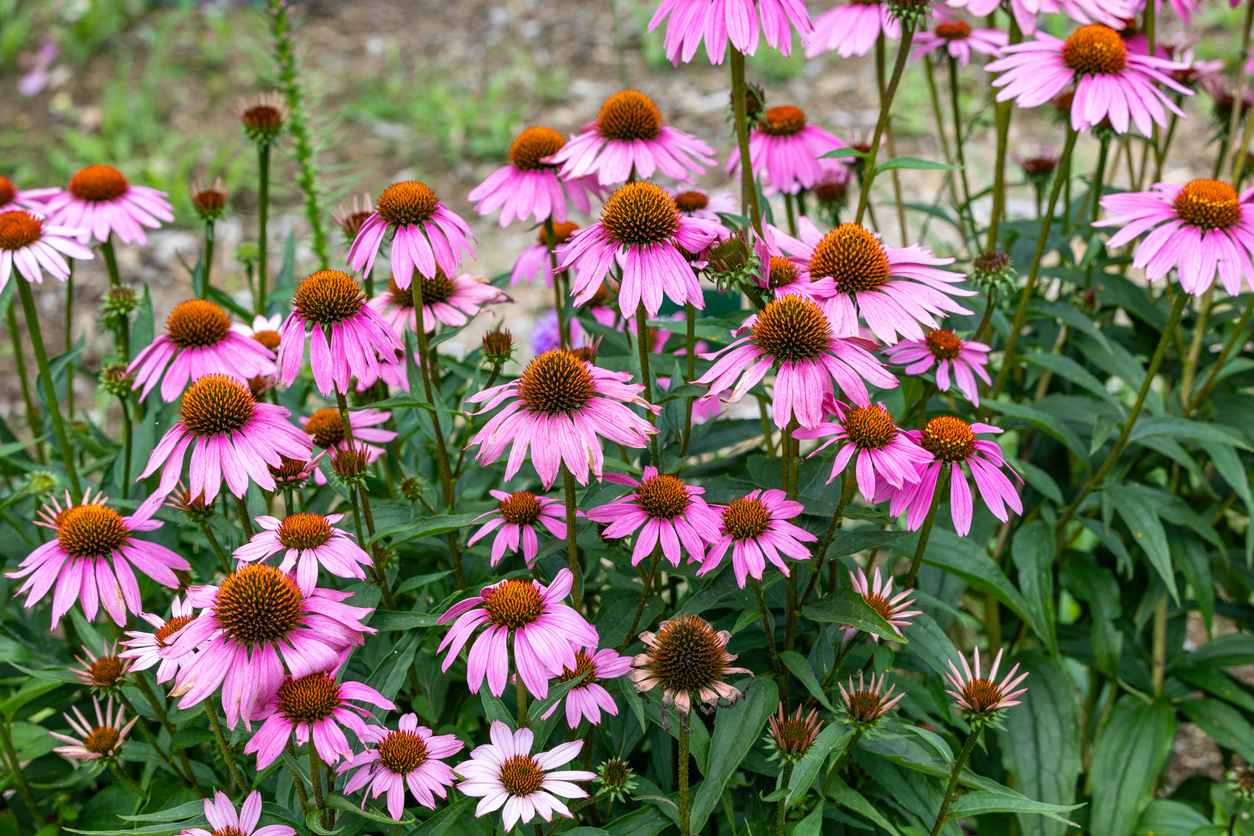
Best Heat-Tolerant Plants for Summer Landscapes
July 29, 2026
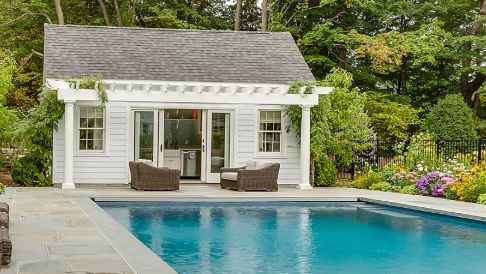
The Benefits of Adding a Pool House to Your Backyard
July 21, 2026
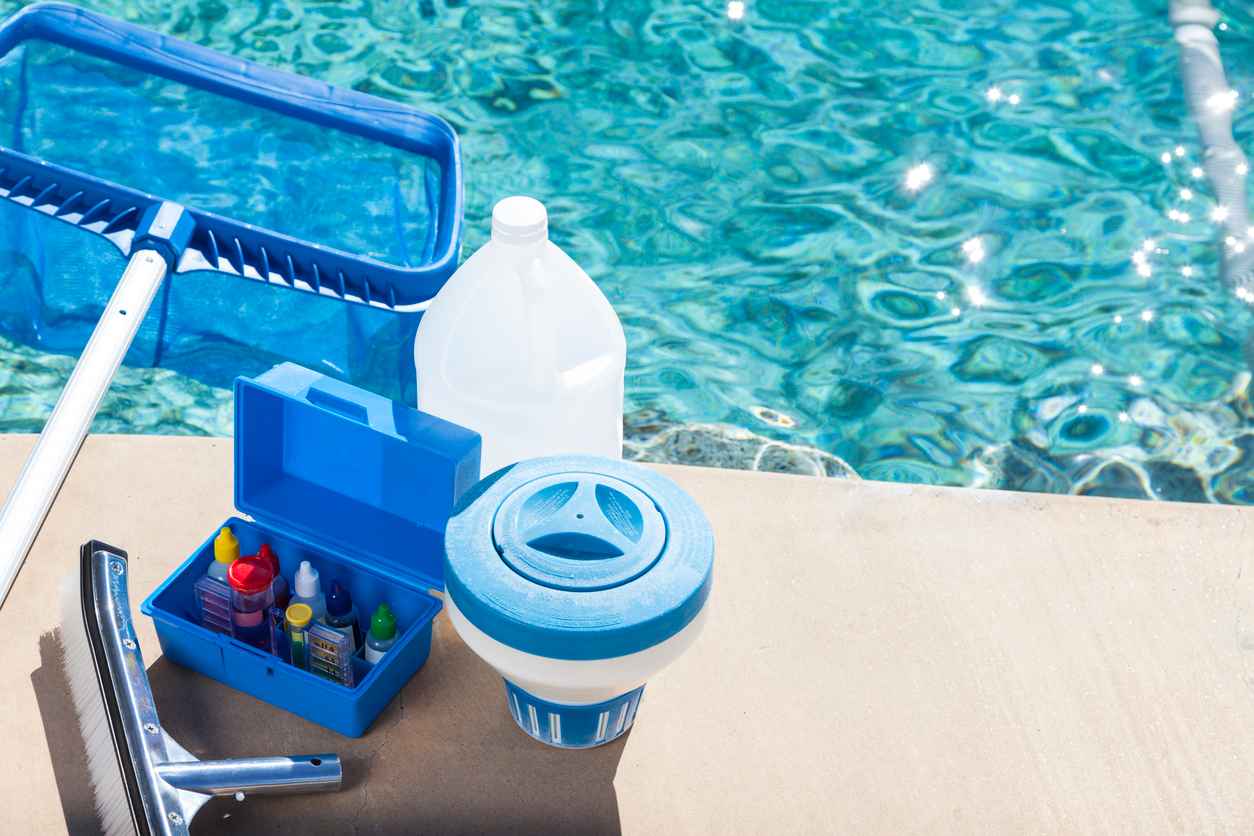
Summer Pool Maintenance Tips for Homeowners
June 30, 2026
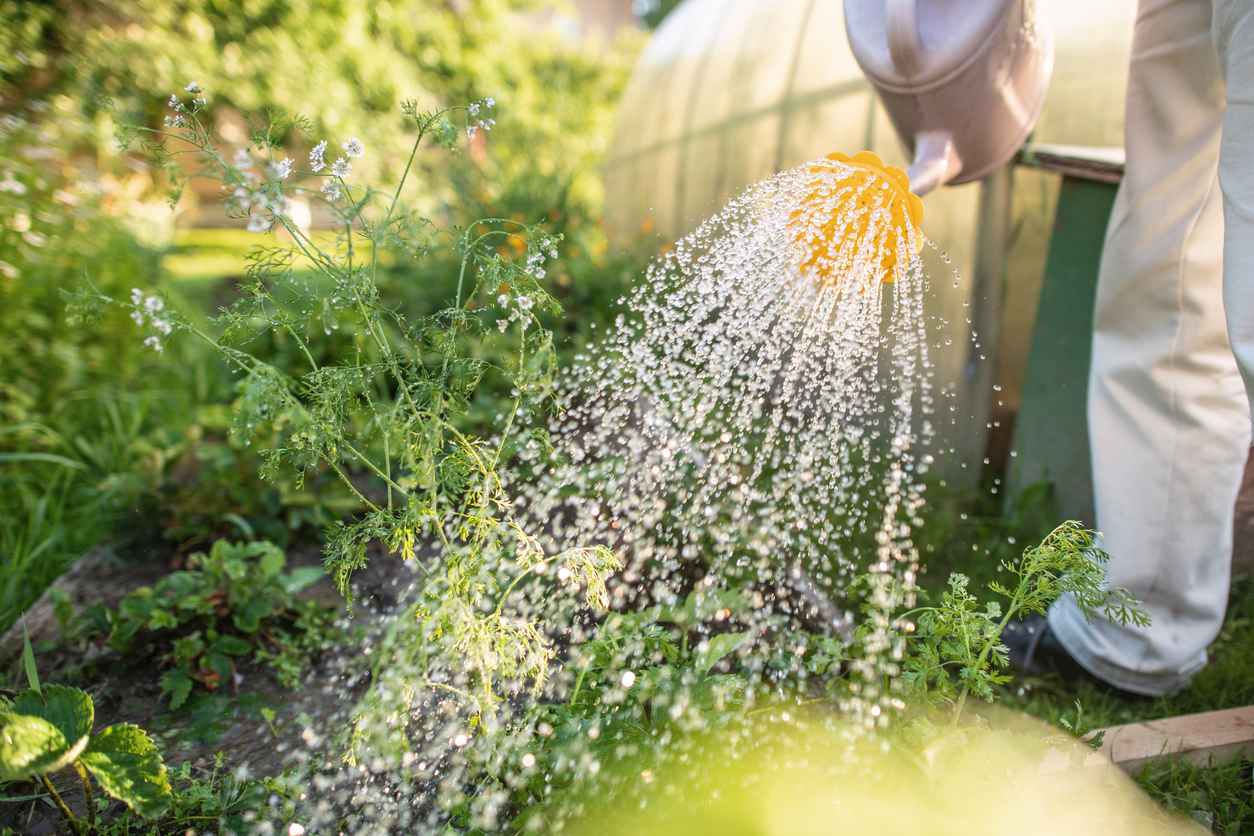
Watering Tips for Healthy Summer Gardens
June 19, 2026