

Back to Blog
How Freeze–Thaw Cycles Impact Your Hardscape
December 31, 2025
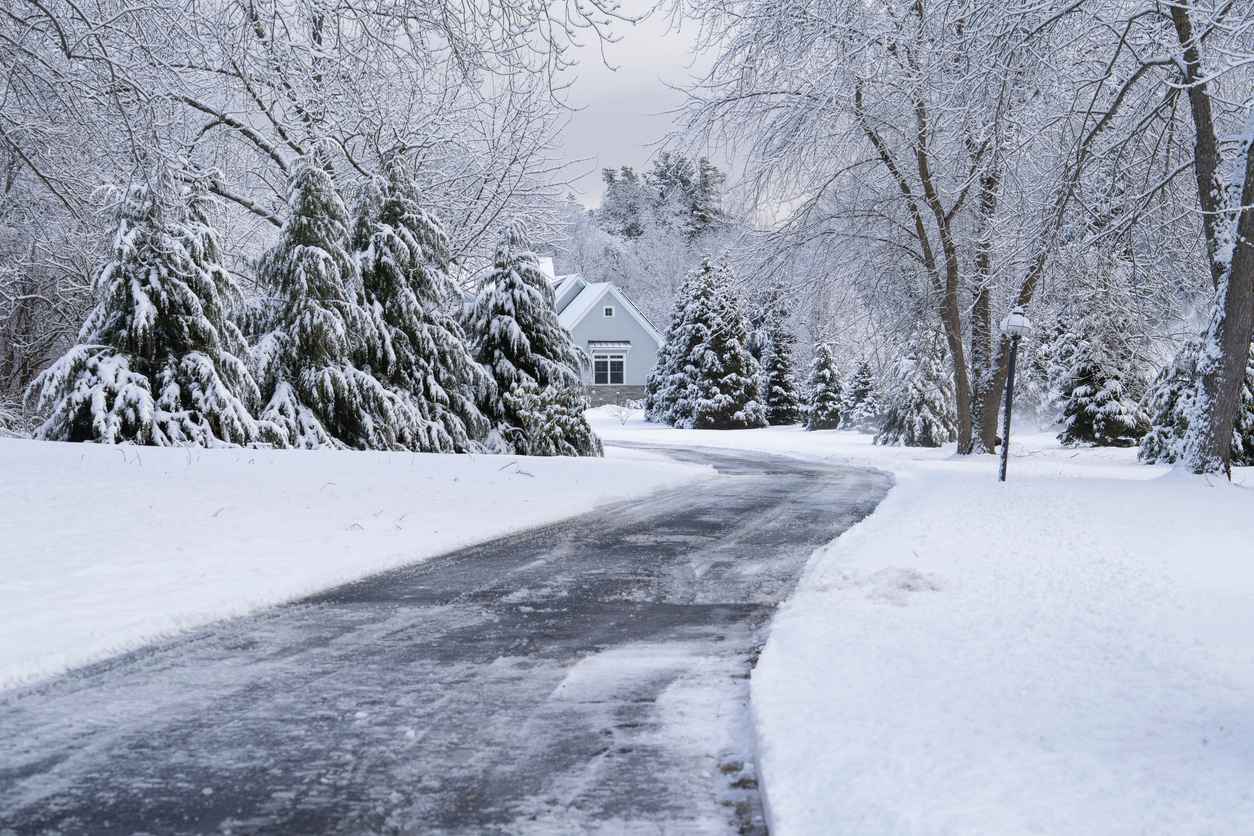
Winter weather in the Northeast brings more than just snow and cold temperatures; it also brings repeated freeze–thaw cycles that can take a serious toll on your hardscape. Driveways, patios, walkways, retaining walls, and stone features are all vulnerable if they aren’t properly designed, installed, or maintained.
At Ambrosio Landscape Solutions, we help homeowners throughout Fairfield and Westchester counties protect their outdoor investments year-round. Understanding how freeze–thaw cycles work and how to prevent damage can save you time, money, and stress.
What Are Freeze–Thaw Cycles?
Freeze–thaw cycles occur when moisture enters small cracks or joints in hardscape surfaces, freezes as temperatures drop, and then expands. When the ice melts and refreezes repeatedly, that expansion puts pressure on the material, causing cracks, shifting, and deterioration over time.
This cycle is especially common during late fall, winter, and early spring when temperatures fluctuate above and below freezing.
Common Hardscape Problems Caused by Freeze–Thaw Cycles
Cracking
Concrete, asphalt, pavers, and natural stone can all crack as expanding ice forces materials apart.
Heaving and Shifting
When frozen ground expands, it can lift or shift pavers and slabs, creating uneven surfaces and tripping hazards.
Loose or Damaged Jointing
Freeze–thaw cycles can weaken joint sand or mortar, allowing pavers to move and water to seep in more easily.
Surface Scaling and Spalling
Water trapped inside materials can cause the surface to flake or peel, especially in concrete.
How to Protect Your Hardscape from Freeze–Thaw Damage
1. Address Cracks Early
Small cracks can quickly worsen during winter. Sealing or repairing them before freezing temperatures arrive helps prevent water infiltration.
2. Ensure Proper Drainage
Standing water is one of the biggest contributors to freeze–thaw damage. Good drainage keeps water moving away from hardscape areas.
3. Use the Right Materials
High-quality pavers, stone, and concrete products are designed to withstand temperature fluctuations and moisture exposure.
4. Schedule Regular Inspections
Seasonal inspections allow issues to be addressed before they become major repairs.
5. Avoid Harsh De-Icing Products
Some salts and chemicals can accelerate surface damage. Using hardscape-safe de-icing products is key.
Protect Your Hardscape with Ambrosio Landscape Solutions
Your hardscape is a long-term investment—and winter conditions don’t have to shorten its lifespan. With proper installation, maintenance, and timely repairs, your outdoor surfaces can remain strong, safe, and beautiful year after year.
At Ambrosio Landscape Solutions, we specialize in hardscape design, installation, and maintenance tailored to Northeast climates.
Concerned about winter damage to your driveway, patio, or walkways? Contact Ambrosio Landscape Solutions today to schedule a consultation and protect your property.
Recent News
Common Landscape Problems Homeowners Face After Winter
February 27, 2026
Seasonal Planting Tips for Long-Term Landscape Health
February 23, 2026
How Snow and Ice Impact Your Landscape
January 30, 2026
Outdoor Living Trends for 2026
January 22, 2026
The Best Winter Activities to Enjoy on Your Backyard Ice Rink
December 18, 2025
Why a Well-Maintained Landscape Adds Value Year-Round
November 20, 2025
